
The Vale of Newlands
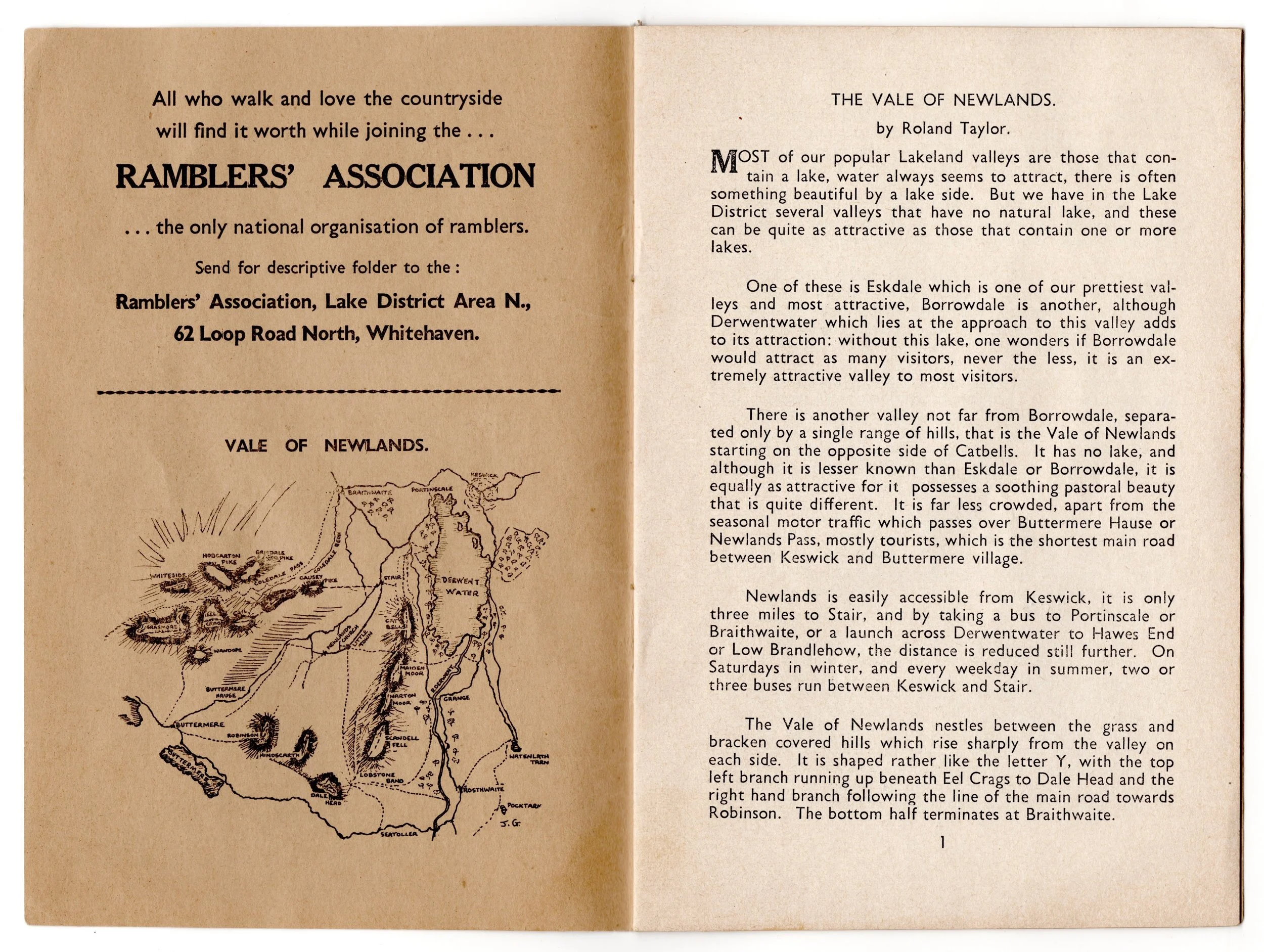
The Newlands Valley, near Keswick in the Lake District, has a long and rich history shaped by both its landscape and its people. Evidence suggests that the area has been inhabited since prehistoric times, but its character was strongly influenced by Norse settlers who arrived around the 9th and 10th centuries. The valley’s original Norse name, Roger-Saetr(or Rogersätr), means “the summer pasture of a man called Roger,” reflecting its early use as upland grazing land. Many other place names in the valley also have Norse origins, showing how deeply these settlers shaped the area.
In the medieval period, the valley began to be developed more systematically. Monks—likely from nearby religious houses such as Furness Abbey—played an important role in draining the marshy valley floor, turning it into usable farmland. This process of reclamation gave the valley its later name, “Newlands,” meaning newly made or improved land. Farming communities were established, and many families remained in the valley for generations, creating a strong sense of continuity and tradition.
The geography of Newlands is one of its most striking features. The valley is enclosed by a dramatic ring of fells, including Catbells, Robinson, Hindscarth, and Dale Head. These mountains form a natural amphitheatre, with steep sides and high passes such as Newlands Hause. This landscape has made the valley one of the finest areas for walking in the Lake District. Walkers can enjoy gentle routes through the valley floor or more demanding ridge walks, particularly along Catbells, which is famous for its accessible yet rewarding views over Derwentwater and the surrounding peaks.
From the 16th century onwards, mining became a major part of life in Newlands. Rich deposits of lead and copper were discovered, most notably at Goldscope Mine. During the reign of Elizabeth I, mining in the area expanded significantly. The Crown encouraged development, and skilled miners—especially Germans—were brought in to introduce more advanced techniques. Goldscope became one of the most important mines in England at the time. Mining brought wealth and activity to the valley, but it also changed its quiet rural character. By the 19th century, however, mining declined, and the valley gradually returned to a predominantly agricultural way of life.
In the 19th and early 20th centuries, the beauty of the Newlands Valley began to attract artists and writers. Both John Constable and J. M. W. Turner visited, inspired by the dramatic scenery. Beatrix Potter, closely associated with the Lake District, also had connections to the area, utilising Littletown Farm and Catbells as the setting for her book Mrs Tiggywinkle.
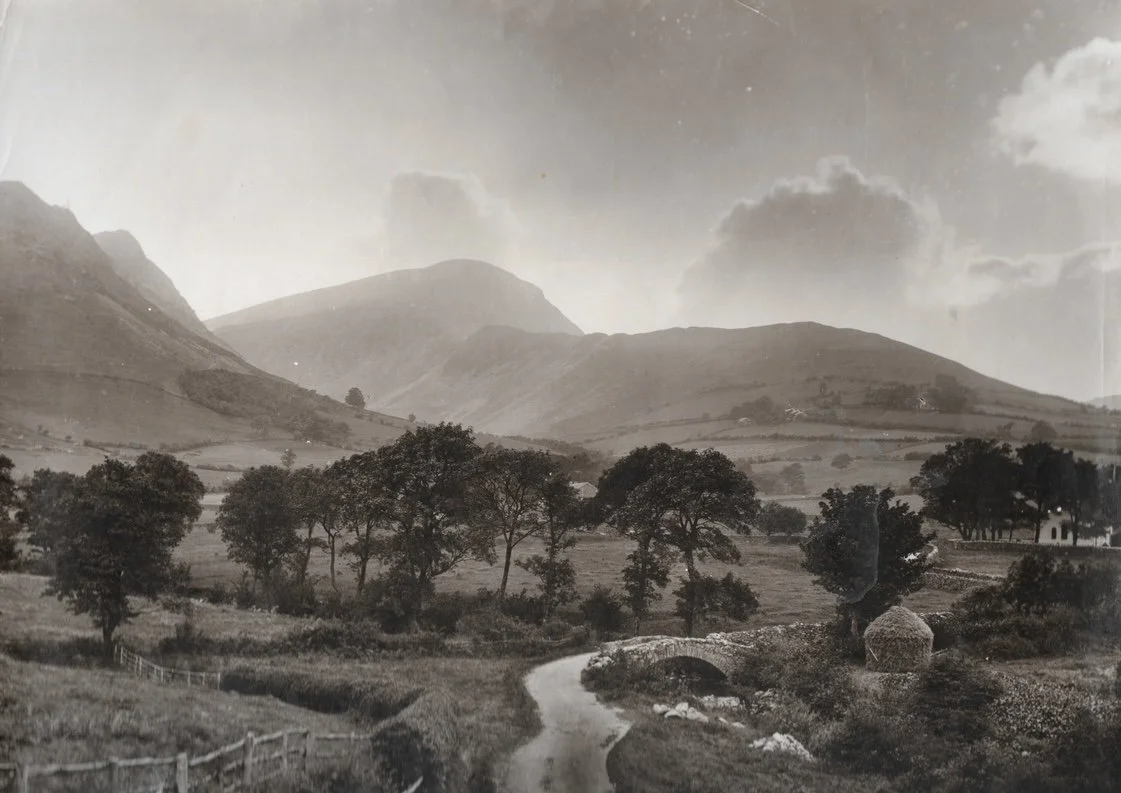
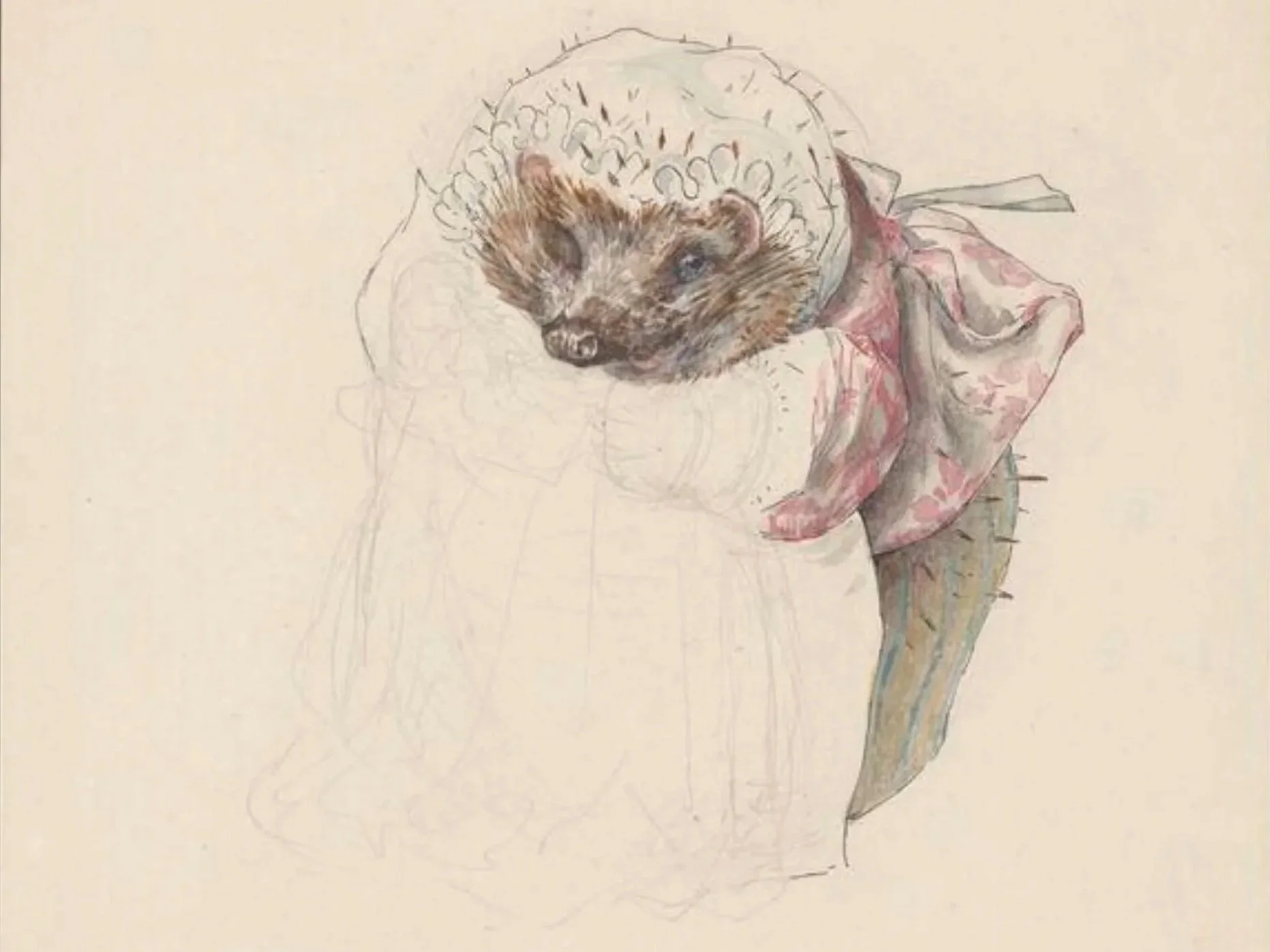
Beatrix Potter, ‘Unfinished sketch of Mrs Tiggy-winkle’, watercolour, 1905
Copyright V&A Museum
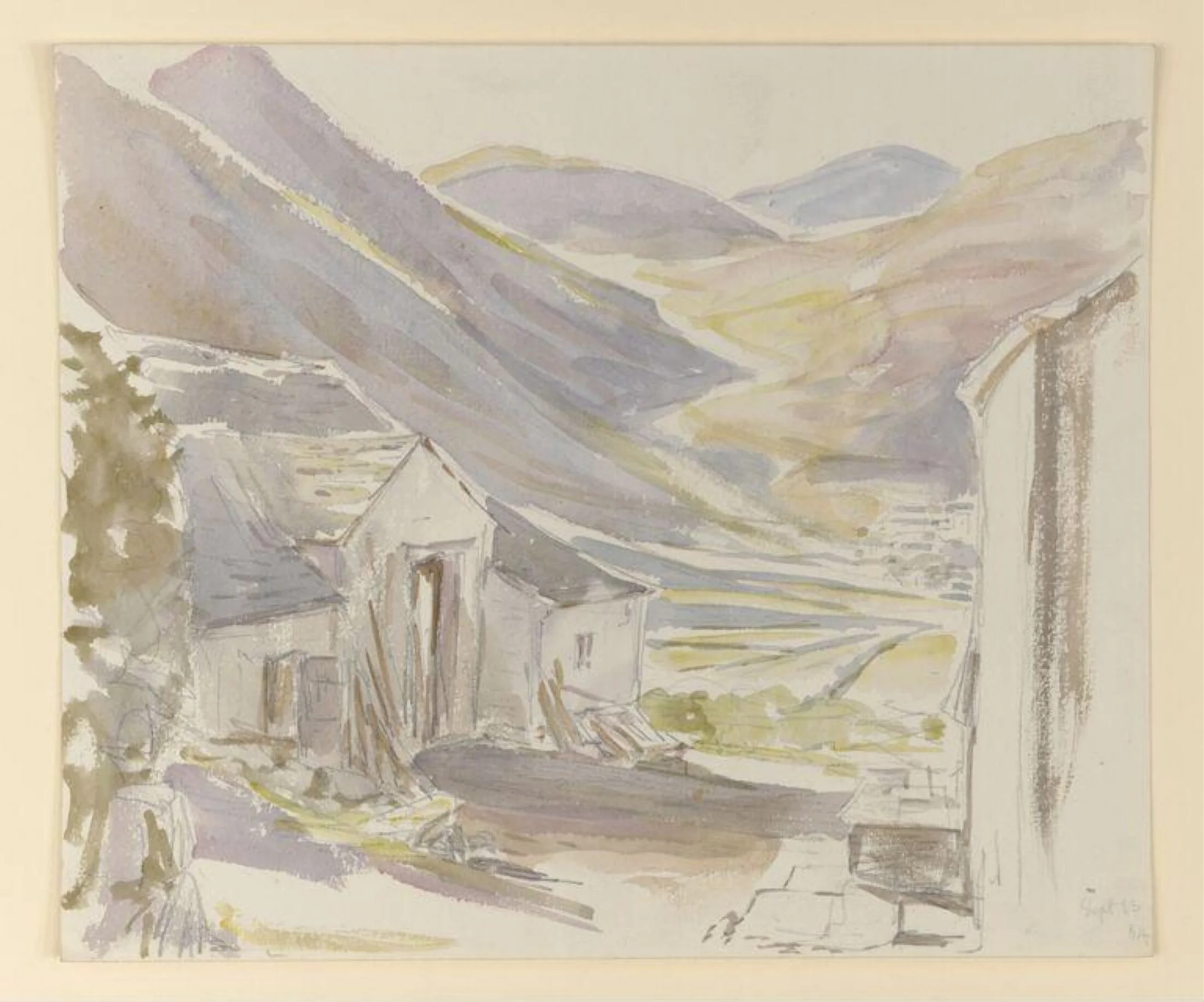
Beatrix Potter, ‘The Newlands Horseshoe of mountains seen from the Newlands valley’, watercolour, 1904.
Copyright V&A Museum
The valley also features in the work of William Wordsworth, who wrote about Newlands Church, a small and picturesque church often described as one of the most beautiful in England. In his poem, he evokes its peaceful setting:
“There is a vale which none hath seen,
A little church in silence stands…”
Today, although tourism has increased, the Newlands Valley remains quieter than many other parts of the Lake District.