
The History of Low High Snab
Three centuries of Lakeland life, a literary legacy and a family home since 1957.
A Farmhouse in the Newlands Valley
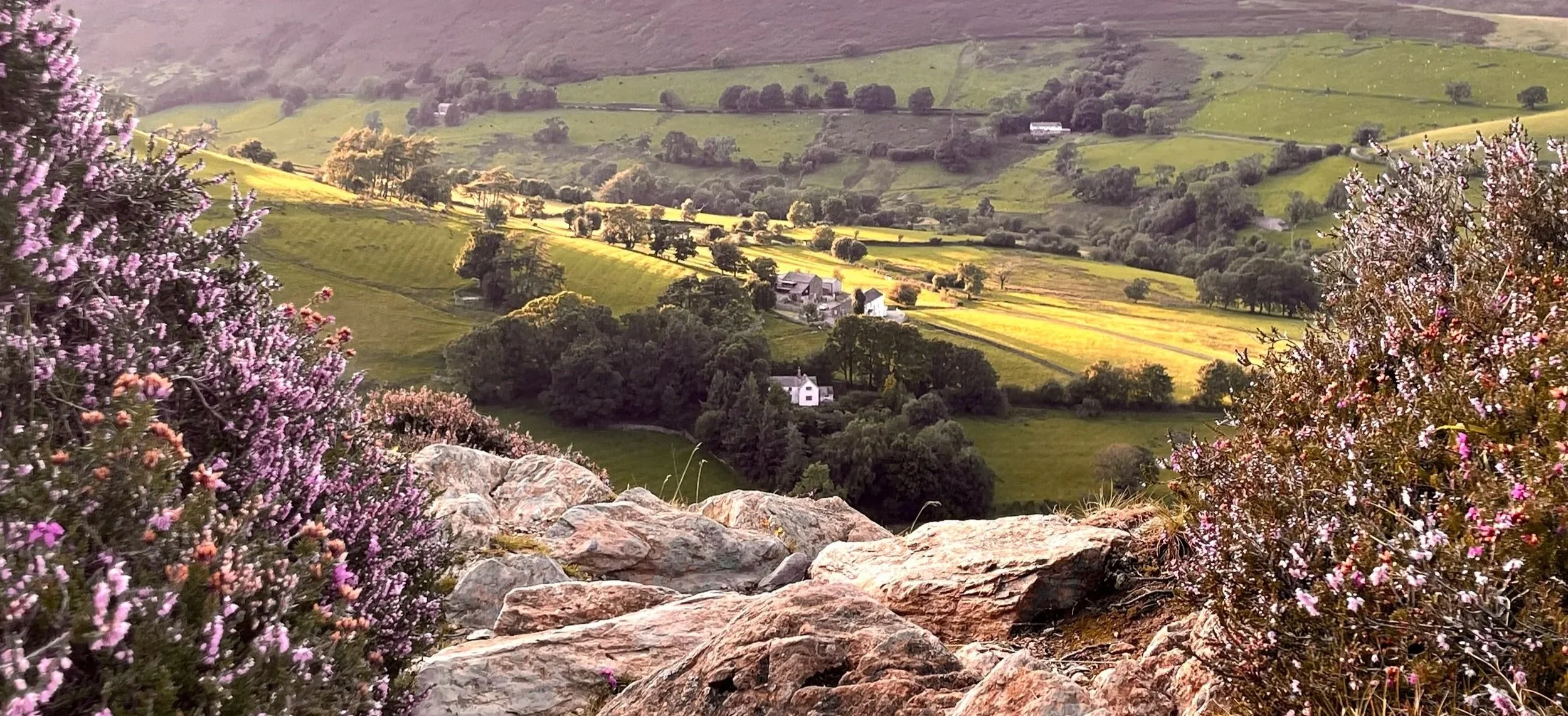
Tucked away beneath the imposing slopes of Hindscarth, in one of the Lake District's most beautiful and unspoilt valleys, Low High Snab is a traditional Lakeland farmhouse whose history stretches back nearly three centuries.
The present farmhouse is believed to date principally from the mid-eighteenth century, although the surrounding landscape has a much older history. The Newlands Valley was settled and farmed long before this, its place names preserving traces of the Norse influence that shaped much of the northern Lake District.
The name Snab is thought to derive from a northern dialect word describing a projecting piece of land or rocky outcrop, an appropriate name for a house situated amongst the rugged contours of the surrounding fells.
Originally, Low High Snab was a modest two-storey farmhouse comprising two principal rooms on each floor, with a single-storey elevation extending to the north-east. Constructed from local stone, with thick walls and relatively small windows, the building reflected the practical demands of agricultural life in a remote mountain valley.
The adjoining barn, which once accommodated livestock and agricultural stores, formed an essential part of the working farmstead.
A House That Grew with the Centuries
Like many traditional Lakeland farmhouses, Low High Snab evolved gradually to accommodate the changing needs of its occupants.
Its most significant alterations came during the 1930s, when a vicar who owned the property added an upper storey to the existing single-storey north-eastern elevation. The improvements introduced a parlour, an additional bedroom, an upstairs bathroom, a downstairs lavatory and a boot room with a covered porch.
These alterations marked the gradual transformation of what had been a relatively modest working farmhouse into a more comfortable country residence, while preserving the character and proportions of the original building.
The house looks south-east towards Hindscarth, with Maiden Moor and Catbells rising beyond, a magnificent prospect across a landscape that has changed remarkably little over the centuries.
Molly Lefebure and the Arrival of the Gerrish Family
The next chapter in the history of Low High Snab began with a love story.
Molly Lefebure, the writer and journalist, met her future husband, John Gerrish, while they were studying journalism at King's College, London. Their relationship endured the upheavals of the Second World War, during which they became engaged by letter while John was serving overseas.
They married in 1945, following John's return from India, and spent their honeymoon in the Newlands Valley. The beauty and tranquillity of the landscape made a lasting impression on them.
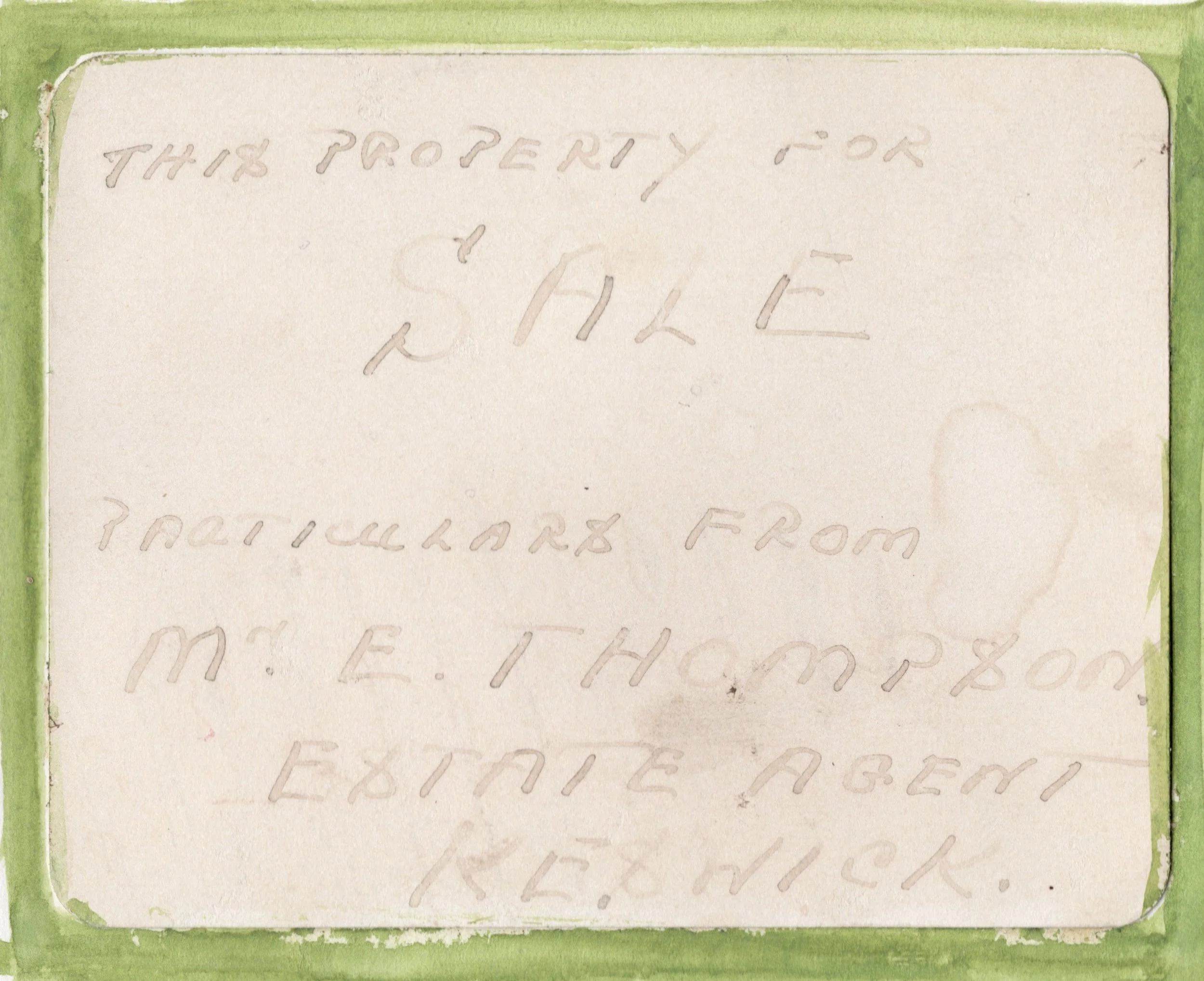
In 1957, while visiting an old school friend in the valley, they noticed a postcard displayed in a window advertising a dilapidated farmhouse for sale.
That farmhouse was Low High Snab.
Molly purchased the property for the princely sum of £500, reportedly using the proceeds from her book Evidence for the Crown. What began as the discovery of a rather neglected Lakeland farmhouse became a lifelong attachment to the house and its surrounding landscape, and the beginning of a family connection that has endured for nearly seventy years.


A Literary Home
Under Molly and John's ownership, Low High Snab became much more than a country retreat.
Molly Lefebure was an accomplished and prolific writer whose work ranged across biography, history, literature and memoir. During the Second World War, she worked as secretary to the celebrated forensic pathologist Keith Simpson, an experience that provided the material for her book Evidence for the Crown.
She later developed a particular interest in the Romantic poets, most notably Samuel Taylor Coleridge, whose life and struggles with opium she explored in Samuel Taylor Coleridge: A Bondage of Opium.
The Lake District, with its rich literary associations, provided a natural setting for her interests. Low High Snab became a place of conversation, hospitality and intellectual curiosity, welcoming friends from the worlds of literature, art and academia.
Molly was closely associated with the Wordsworth Conference and its founder, Richard Wordsworth, and took a keen interest in the history of the Newlands Valley itself. Her local historical research was acknowledged by others writing about the area.
A New Generation
Low High Snab remained in the Gerrish family, passing from one generation to the next.
Nearly seven decades after Molly and John first discovered the farmhouse, their grandson Henry Gerrish undertook the considerable task of restoring it.
By then, the house required extensive attention. What followed was more than six years of painstaking restoration, guided by a determination to preserve its historic character while adapting it sensitively for contemporary life.
Traditional materials, original architectural features and the building's distinctive proportions were respected wherever possible. The interiors were carefully restored and furnished with an appreciation for the house's age, character and family history.
The adjoining barn also found a new purpose. Its former agricultural spaces were transformed into The Byre, a self-contained retreat combining the character of the original stone building with the comforts of modern living.
The project was never simply about renovating an old house. It was about preserving a family inheritance, honouring the generations who had lived there and ensuring that Low High Snab could continue to be enjoyed for many years to come.
A Continuing Story
Today, Low High Snab remains a family home, as it has been since 1957.
Its walls have witnessed the changing fortunes of the Newlands Valley, from the agricultural lives of its earliest inhabitants to the writers, artists and friends who gathered here in the twentieth century.
Beyond the house, the landscape remains its most enduring feature. Hindscarth rises immediately above the farmstead, the old paths still wind towards the high fells, and the surrounding fields and dry-stone walls preserve the character of a valley shaped by centuries of farming.
For those who stay at Low High Snab or The Byre, there is an opportunity to experience something of this history firsthand: not simply a beautiful old farmhouse in the Lake District, but a place with a story, a literary legacy and a deep connection to the landscape around it.
The Vale of Newlands
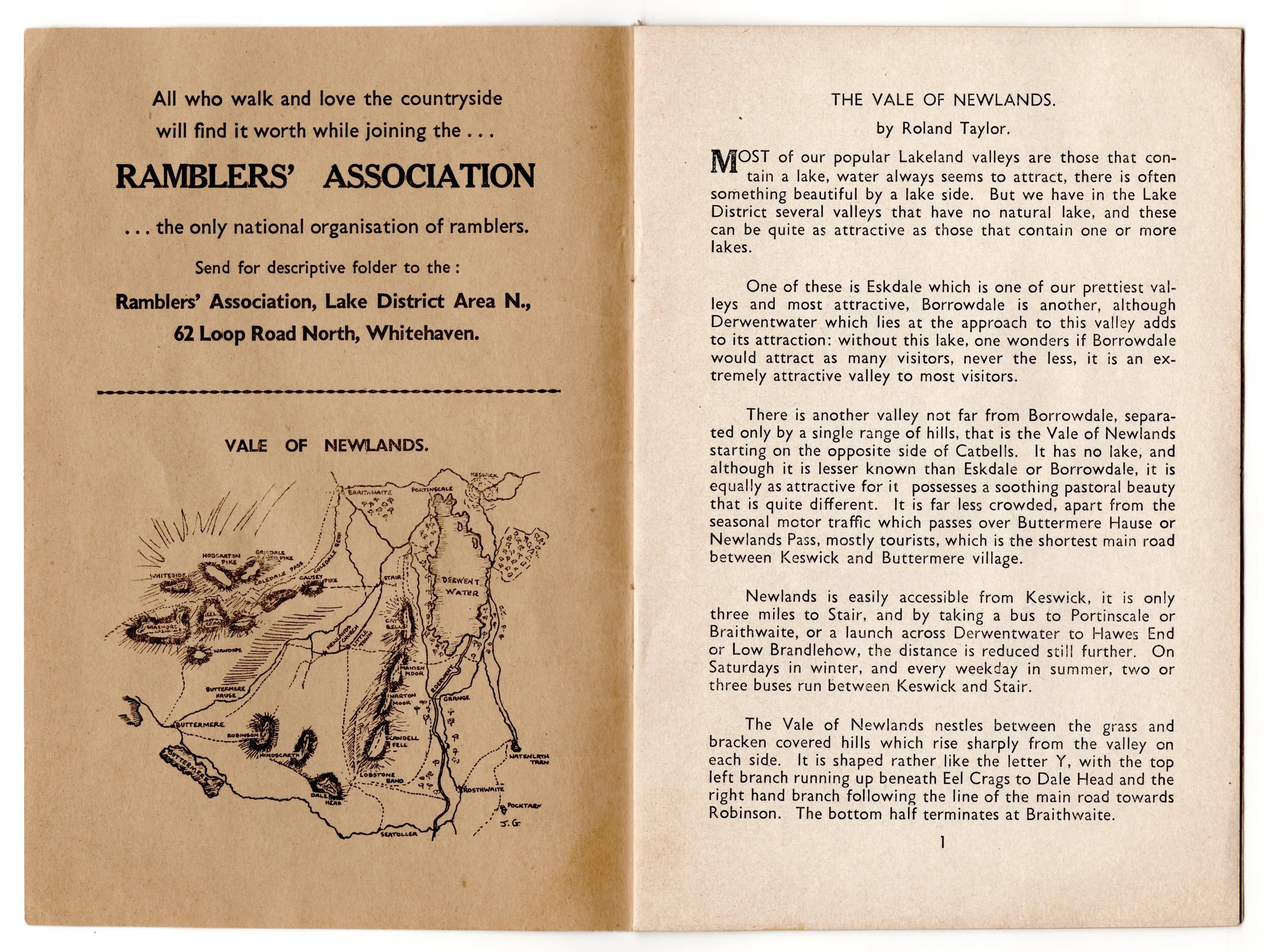
The Newlands Valley, near Keswick in the Lake District, has a long and rich history shaped by both its landscape and its people. Evidence suggests that the area has been inhabited since prehistoric times, but its character was strongly influenced by Norse settlers who arrived around the 9th and 10th centuries. The valley’s original Norse name, Roger-Saetr(or Rogersätr), means “the summer pasture of a man called Roger,” reflecting its early use as upland grazing land. Many other place names in the valley also have Norse origins, showing how deeply these settlers shaped the area.
In the medieval period, the valley began to be developed more systematically. Monks—likely from nearby religious houses such as Furness Abbey—played an important role in draining the marshy valley floor, turning it into usable farmland. This process of reclamation gave the valley its later name, “Newlands,” meaning newly made or improved land. Farming communities were established, and many families remained in the valley for generations, creating a strong sense of continuity and tradition.
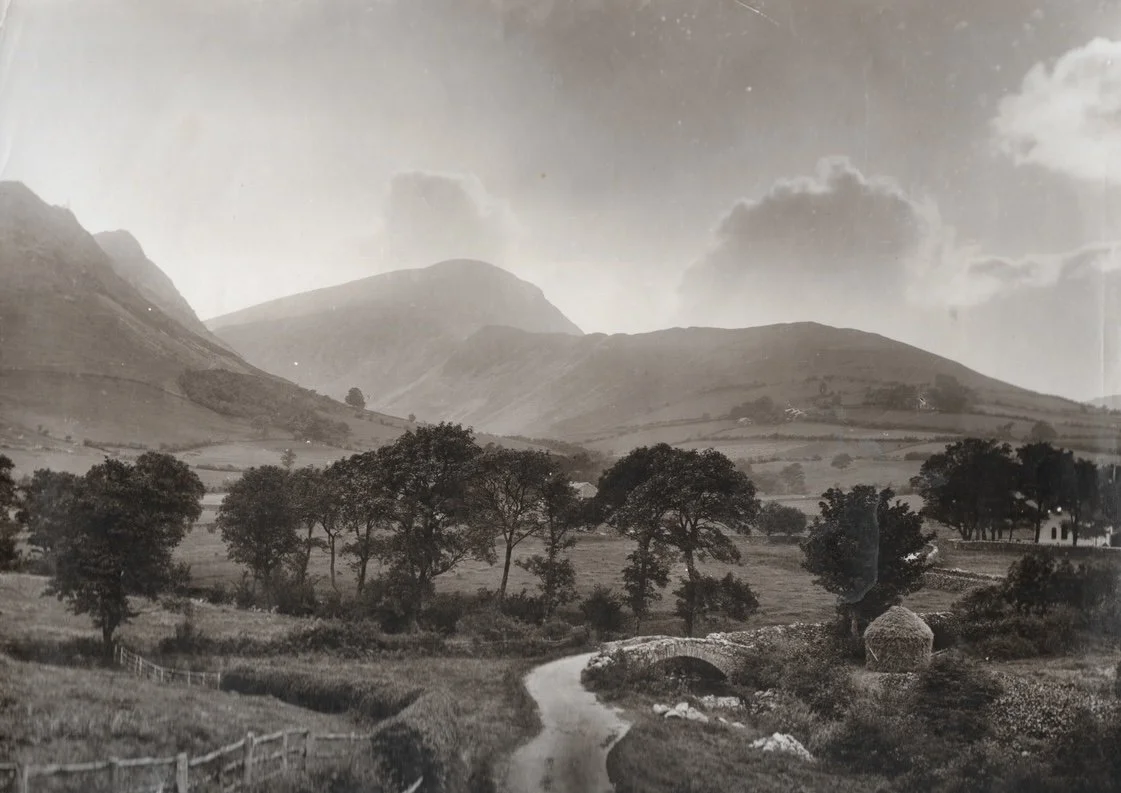
The geography of Newlands is one of its most striking features. The valley is enclosed by a dramatic ring of fells, including Catbells, Robinson, Hindscarth, and Dale Head. These mountains form a natural amphitheatre, with steep sides and high passes such as Newlands Hause. This landscape has made the valley one of the finest areas for walking in the Lake District. Walkers can enjoy gentle routes through the valley floor or more demanding ridge walks, particularly along Catbells, which is famous for its accessible yet rewarding views over Derwentwater and the surrounding peaks.
From the 16th century onwards, mining became a major part of life in Newlands. Rich deposits of lead and copper were discovered, most notably at Goldscope Mine. During the reign of Elizabeth I, mining in the area expanded significantly. The Crown encouraged development, and skilled miners—especially Germans—were brought in to introduce more advanced techniques. Goldscope became one of the most important mines in England at the time. Mining brought wealth and activity to the valley, but it also changed its quiet rural character. By the 19th century, however, mining declined, and the valley gradually returned to a predominantly agricultural way of life.
In the 19th and early 20th centuries, the beauty of the Newlands Valley began to attract artists and writers. Both John Constable and J. M. W. Turner visited, inspired by the dramatic scenery. Beatrix Potter, closely associated with the Lake District, also had connections to the area, utilising Littletown Farm and Catbells as the setting for her book Mrs Tiggywinkle.
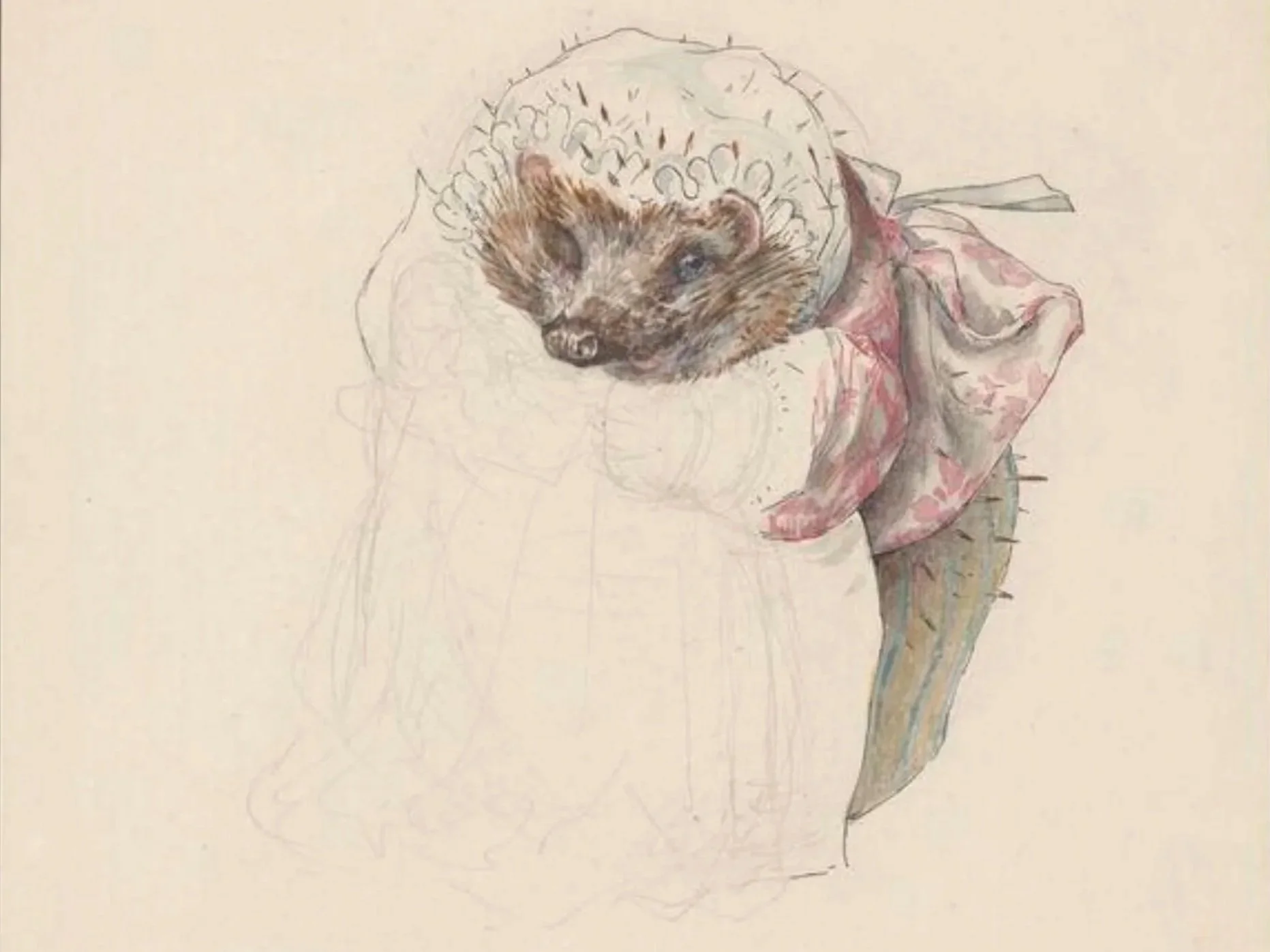
Beatrix Potter, ‘Unfinished sketch of Mrs Tiggy-winkle’, watercolour, 1905
Copyright V&A Museum
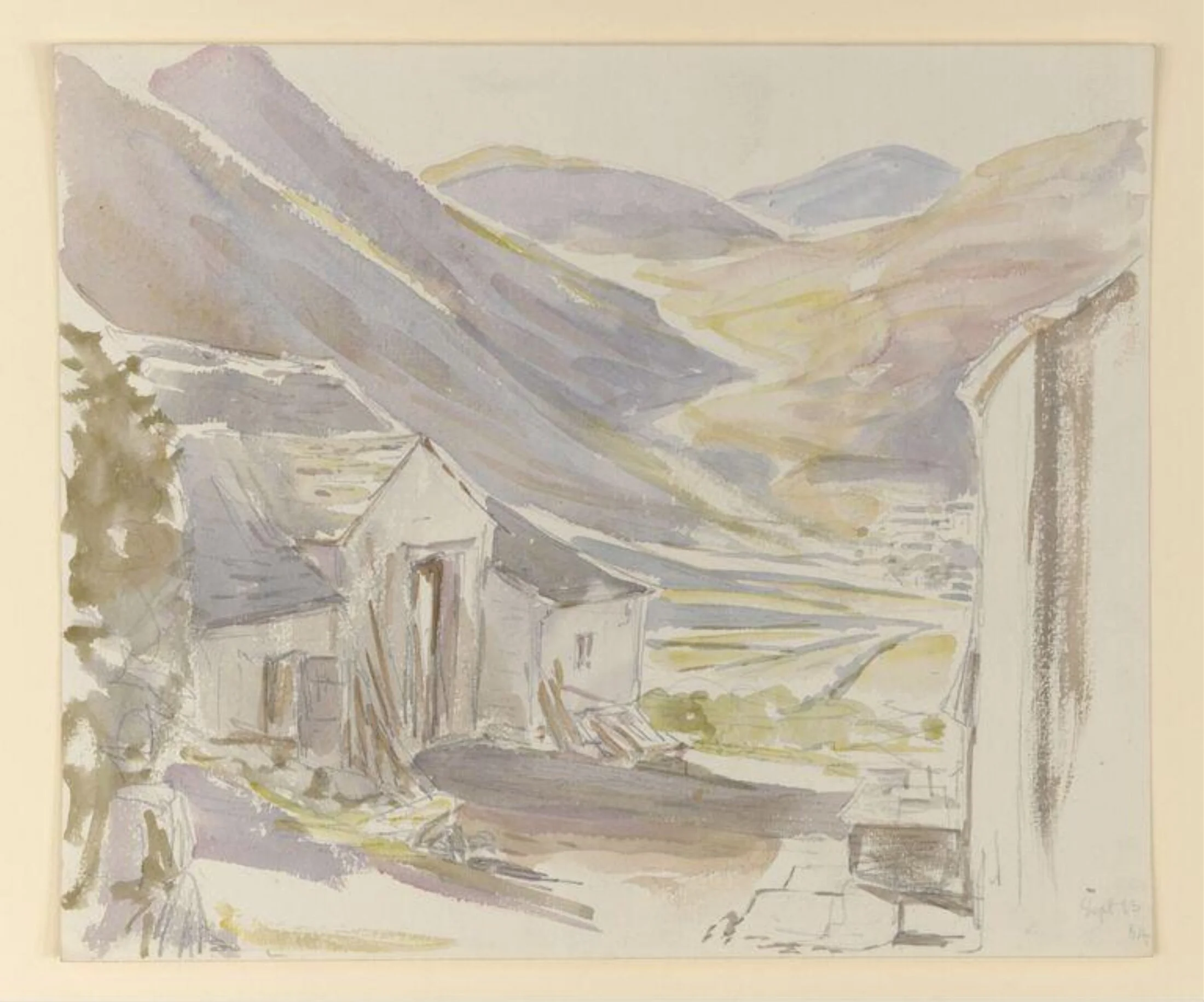
Beatrix Potter, ‘The Newlands Horseshoe of mountains seen from the Newlands valley’, watercolour, 1904.
Copyright V&A Museum
The valley also features in the work of William Wordsworth, who wrote about Newlands Church, a small and picturesque church often described as one of the most beautiful in England. In his poem, he evokes its peaceful setting:
“There is a vale which none hath seen,
A little church in silence stands…”
Today, although tourism has increased, the Newlands Valley remains quieter than many other parts of the Lake District.